Introduction
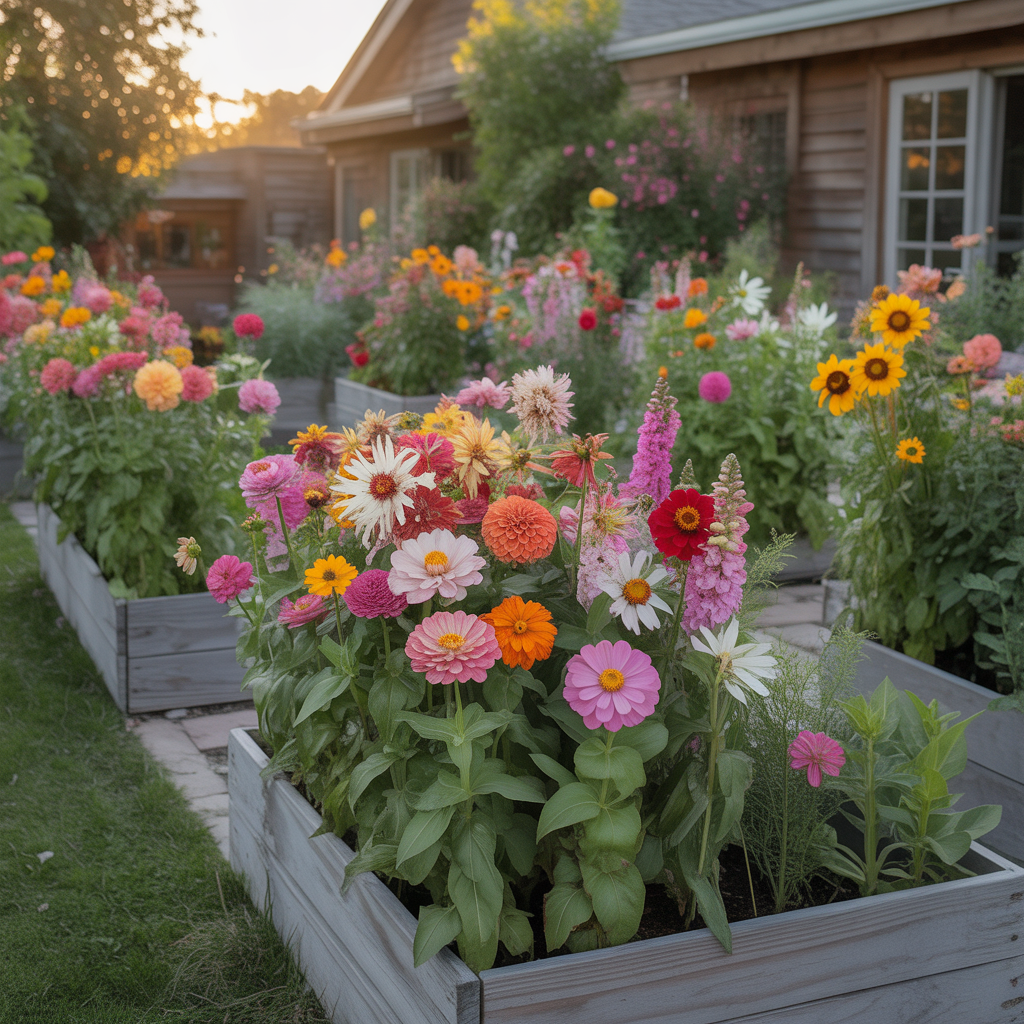
If you love fresh flowers in your home but don’t want to constantly replant, a cut and come again flower garden is the perfect solution. These gardens are designed with flowers that bloom again after cutting, meaning the more you harvest, the more they grow. It’s a dreamy concept for Pinterest lovers who adore beautiful bouquets, aesthetic garden layouts, and budget-friendly landscaping ideas. Instead of planting once and watching blooms fade, you create a cycle of continuous color, texture, and fragrance right in your backyard.
Cut and come again flowers are also ideal for beginners because many varieties are easy to grow, fast to bloom, and low maintenance. They maximize space, save money, and keep your garden looking lush for months. Whether you have a spacious backyard or a small raised bed, these ideas will inspire you to create a productive yet stunning flower haven that looks straight out of a Pinterest board.
1. 🌼 Zinnia Cutting Garden
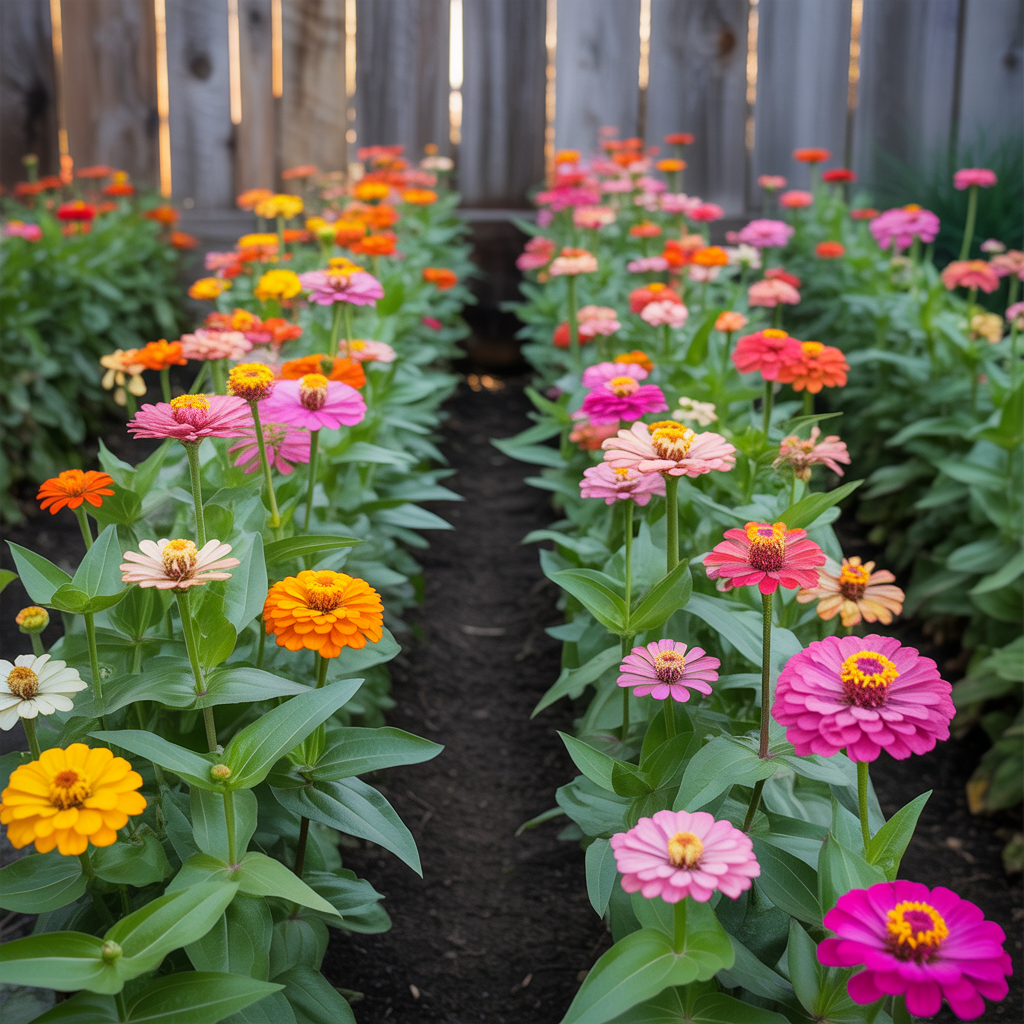
Zinnias are one of the easiest and most rewarding cut and come again flowers you can grow. Once you start cutting mature blooms, the plant responds by producing even more vibrant flowers. Their bold colors — from hot pink to coral and sunny yellow — instantly brighten any garden space. Zinnias thrive in full sun and well-drained soil, making them perfect for beginner gardeners looking for reliable blooms all summer long. Regular harvesting encourages longer stems, which are ideal for bouquets and mason jar arrangements.
A dedicated zinnia cutting patch looks visually stunning when planted in rows or color blocks. You can mix tall and dwarf varieties for depth and structure. The best part is that zinnias bloom continuously until frost, giving you months of fresh flowers. With proper deadheading and consistent watering, they become one of the most productive flowers in your garden.
2. 🌸 Cosmos Flower Beds
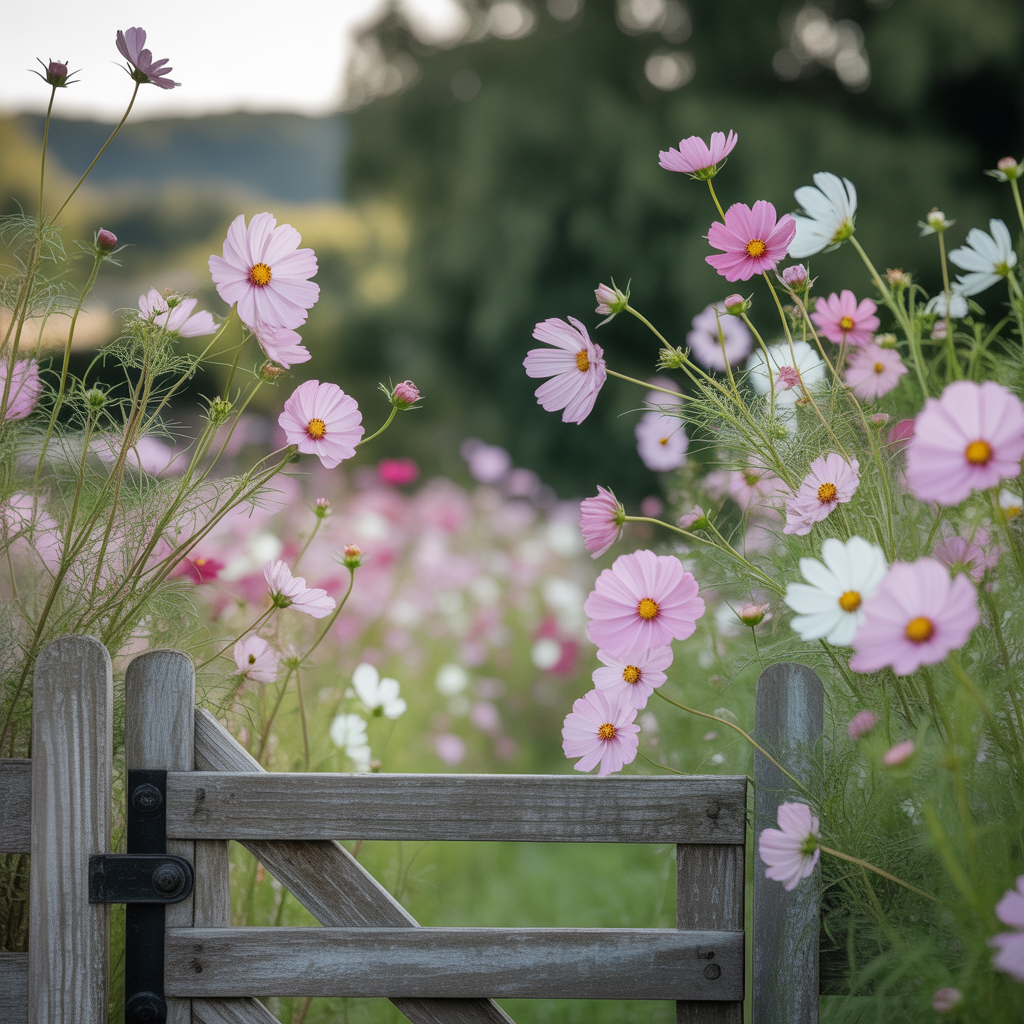
Cosmos bring an airy, romantic look to any garden while offering continuous blooms after cutting. These delicate, daisy-like flowers sway beautifully in the breeze and grow taller with regular harvesting. Cosmos are drought tolerant and thrive in poor soil, making them incredibly low maintenance. When you cut mature blooms, the plant quickly sends out new stems, giving you an ongoing supply of soft pink, white, and magenta flowers for weeks.
Plant cosmos in clusters to create a dreamy cottage-style garden effect. Their feathery foliage adds texture even when blooms are not fully open. They also attract pollinators like bees and butterflies, adding life and movement to your garden. With minimal effort, cosmos reward you with graceful stems perfect for soft, whimsical bouquets.
3. 🌻 Sunflower Cutting Patch
4. 🌷 Snapdragons for Vertical Interest
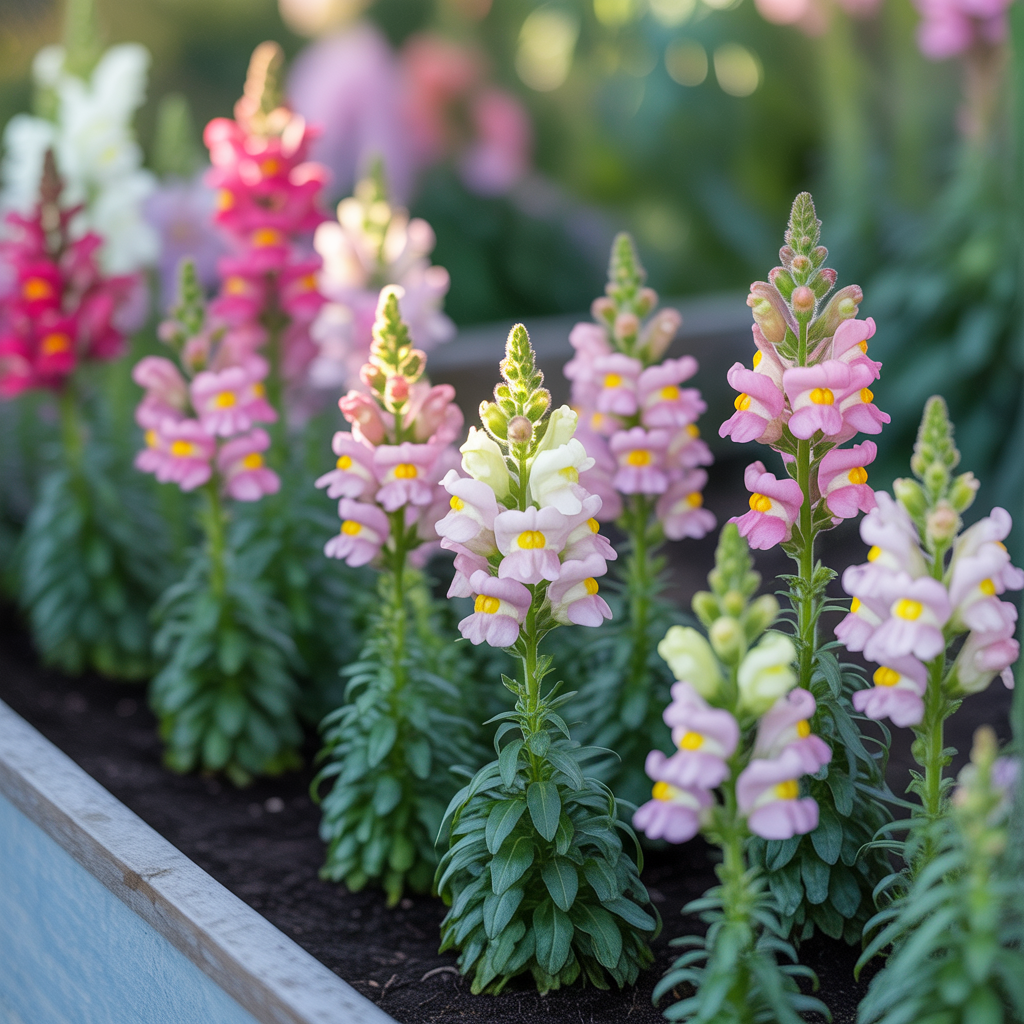
Snapdragons are fantastic cool-season cut flowers that bloom repeatedly when harvested correctly. Cutting stems just above leaf nodes encourages fresh side shoots and new blossoms. Their tall spikes add vertical elegance to bouquets and garden beds. Available in soft pastels and vibrant jewel tones, snapdragons fit perfectly into romantic garden designs.
They prefer cooler temperatures, making them perfect for early spring or fall gardens. Plant them densely to create a lush look and maximize production. With consistent cutting, snapdragons will continue producing blooms for weeks, providing height and structure to your floral arrangements.
5. 🌺 Dahlias for Dramatic Blooms
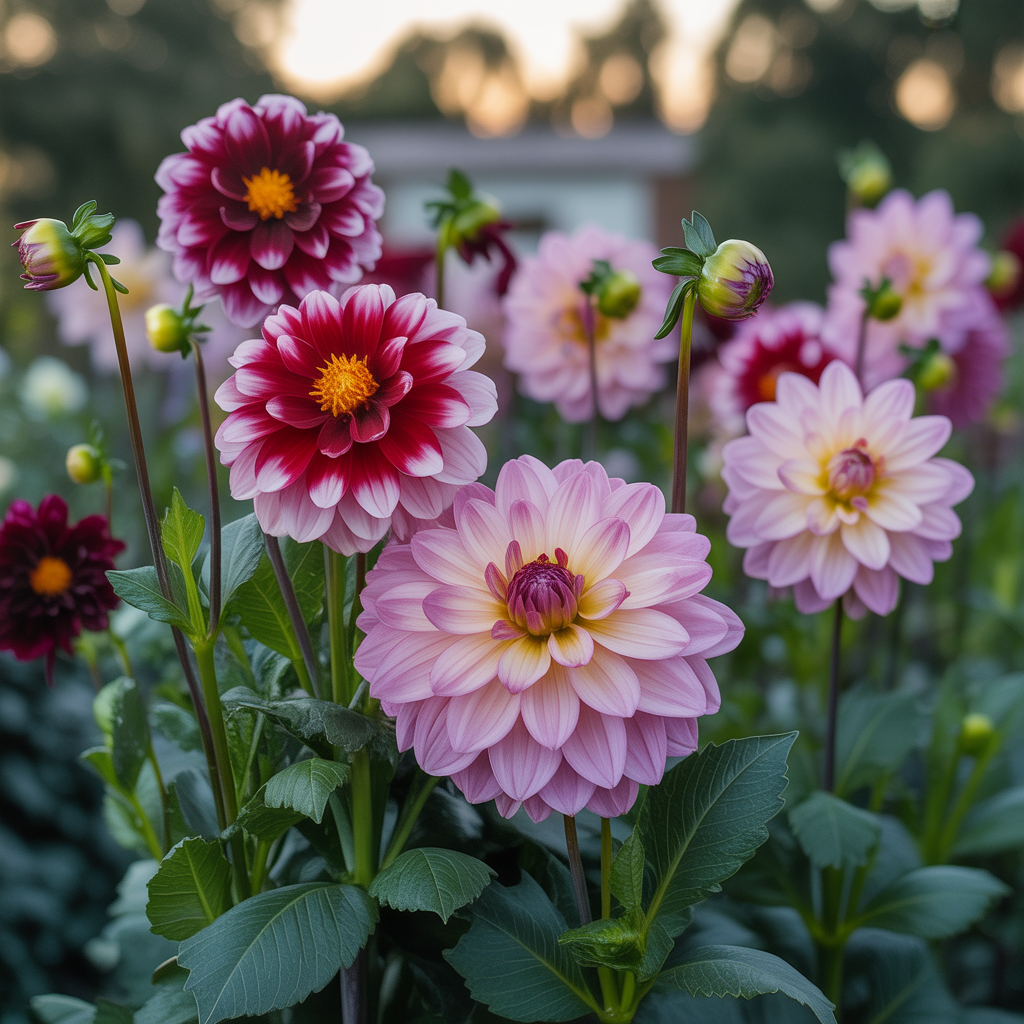
Dahlias are one of the most beloved cut and come again flowers because the more you cut, the more they bloom. Their intricate petal structures and wide color range make them stand out in any garden. From pom-pom shapes to dinner-plate varieties, dahlias add luxury and fullness to floral arrangements. Regular harvesting prevents the plant from going to seed and stimulates continuous flowering.
Plant dahlias in well-drained soil with plenty of sunlight for best results. Support taller varieties with stakes to keep stems straight and strong. With proper care, dahlias can bloom from mid-summer until the first frost, providing endless bouquet options.
6. 🌿 Sweet Peas on a Trellis
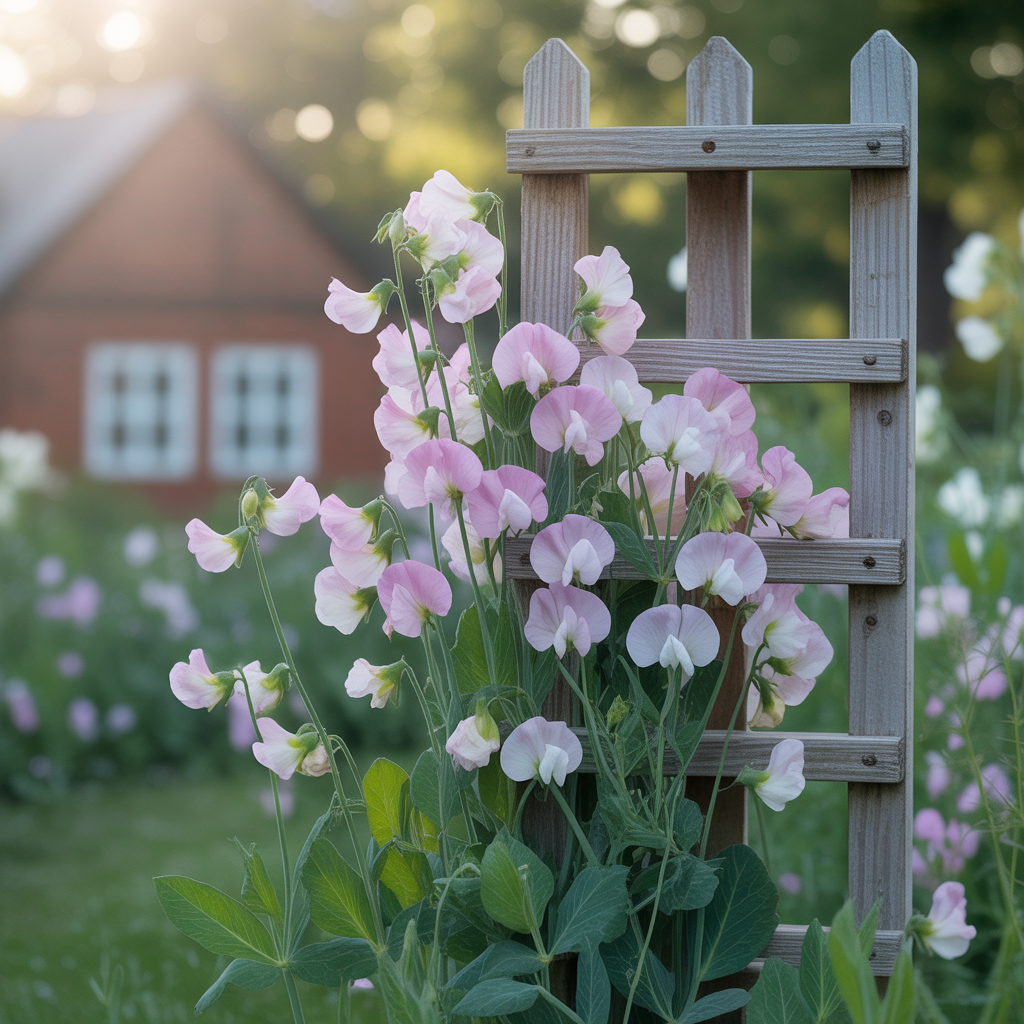
Sweet peas are a romantic favorite in any cut and come again flower garden. These delicate climbing blooms respond beautifully to regular harvesting. The more you cut, the more flowers they produce, as long as you prevent seed pods from forming. Their soft pastel shades of lavender, blush pink, cream, and deep purple create dreamy bouquets that look straight out of a cottagecore Pinterest board. Sweet peas thrive in cooler temperatures and love rich, well-drained soil with consistent moisture. When supported properly, they can grow tall and produce long stems ideal for vase arrangements.
Growing sweet peas vertically on a wooden trellis or arch not only saves space but also creates a stunning garden focal point. Their light fragrance fills the air, making your garden feel peaceful and inviting. To maximize blooms, harvest every few days and keep vines well-watered. Regular picking keeps the plants productive for weeks. With their soft texture and graceful climbing habit, sweet peas add elegance and height to small or large cutting gardens alike.
7. 🌼 Black-Eyed Susans for a Wildflower Look
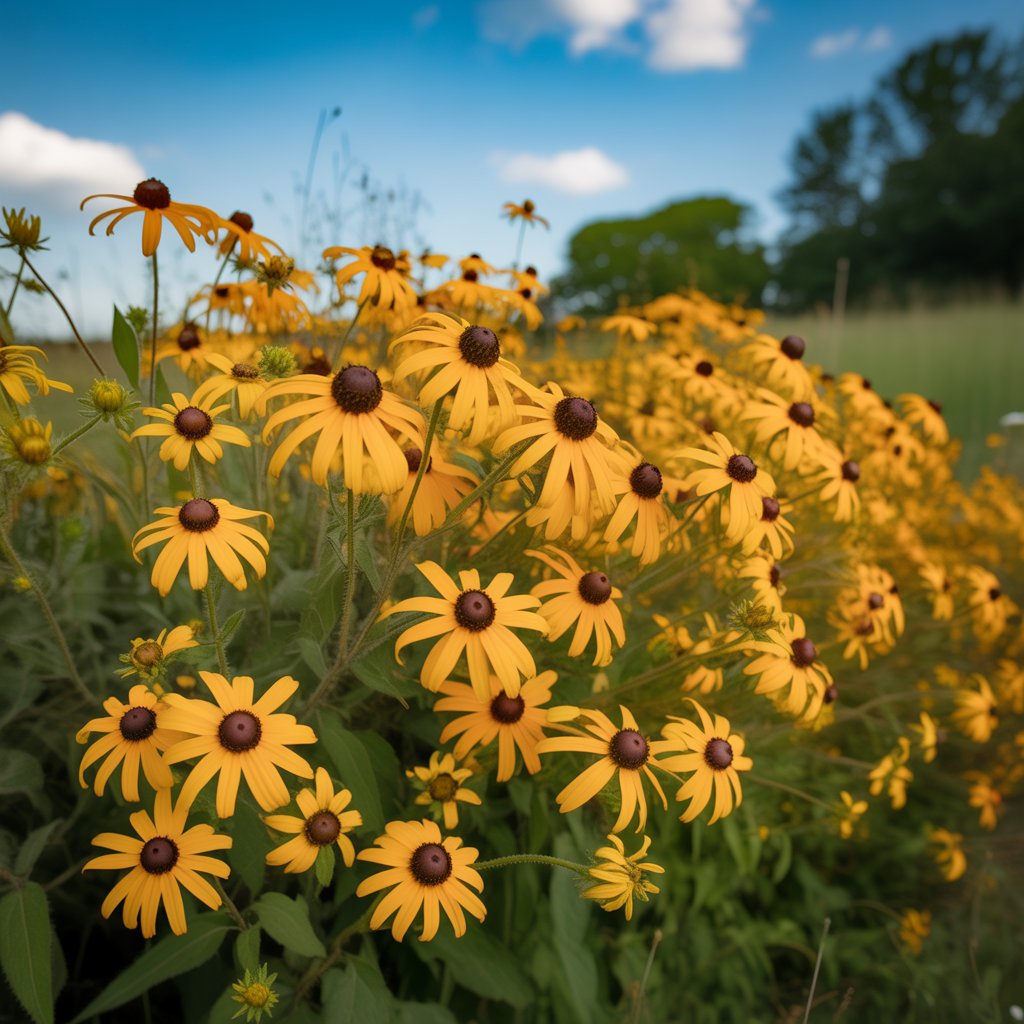
Black-Eyed Susans are hardy, cheerful flowers that thrive in sunny gardens and bloom generously through summer. Their golden-yellow petals with dark brown centers create a warm, wildflower-inspired aesthetic. These perennials respond well to regular cutting, producing fresh buds throughout the season. They are drought-tolerant once established and require minimal care, making them ideal for beginner gardeners. Their sturdy stems and long-lasting blooms make them perfect for rustic bouquets and mason jar arrangements.
Plant them in clusters to create bold waves of yellow that brighten your landscape instantly. Regular harvesting encourages new growth and prevents early fading. Pair them with purple coneflowers or ornamental grasses for a natural meadow-style design. Because they are low maintenance and highly productive, Black-Eyed Susans are a reliable choice for anyone wanting a long-lasting cut flower garden with minimal effort.
8. 🌸 Coreopsis for Long-Lasting Color
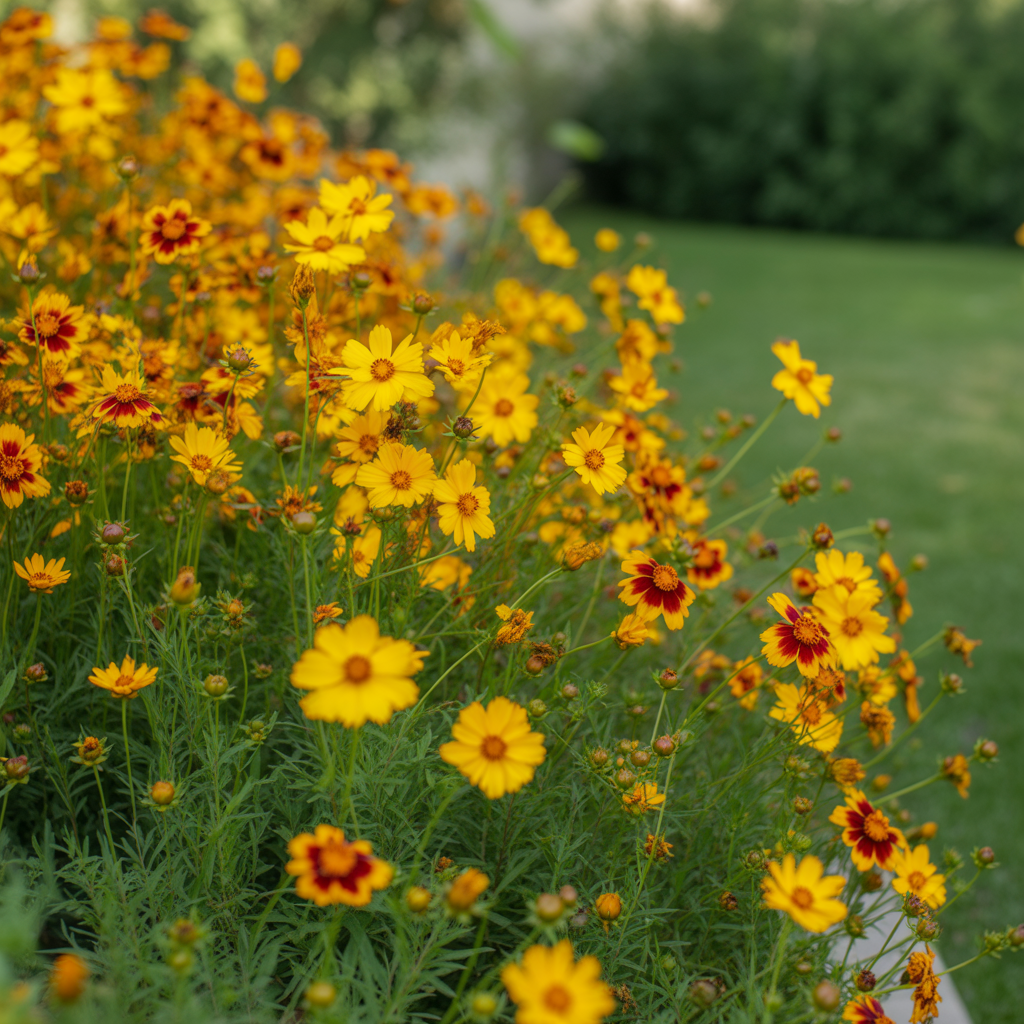
Coreopsis is a sun-loving flower that blooms continuously when harvested frequently. Known for its cheerful daisy-like blooms in shades of yellow, orange, and red, this plant thrives in well-drained soil and full sunlight. The more you cut the flowers, the more buds appear, keeping your garden colorful for months. Coreopsis is especially loved for its airy growth habit, which softens garden borders and fills empty spaces beautifully.
When planted in mass groupings, coreopsis creates a bright, flowing effect that looks stunning in photos. Deadheading regularly keeps plants tidy and productive. These flowers are heat tolerant and low maintenance, making them ideal for busy gardeners. Their lightweight stems work well in mixed bouquets, adding texture and brightness. Coreopsis is perfect for creating a carefree, summer-inspired garden aesthetic.
9. 🌺 Geranium Cutting Garden
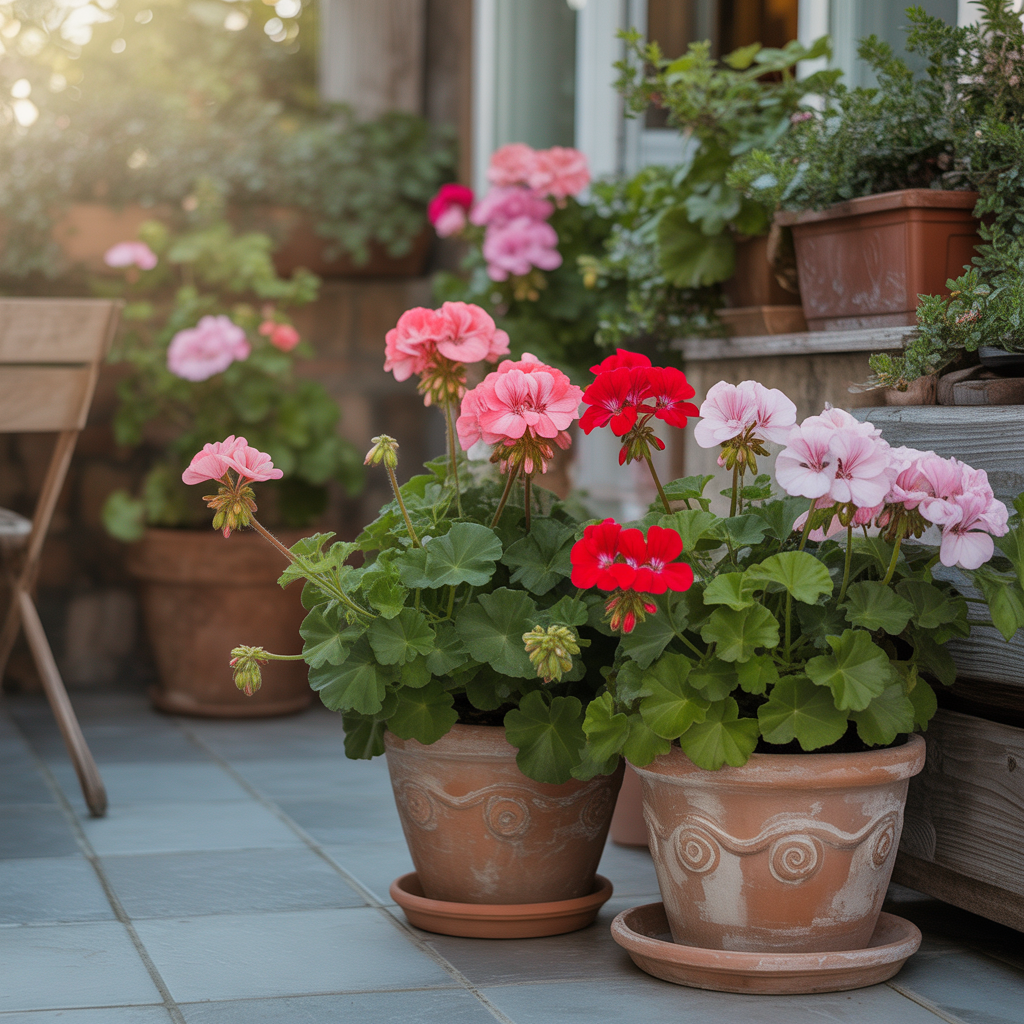
Geraniums are often grown in containers, but they also perform beautifully in cutting beds. When trimmed and harvested regularly, they respond with fresh growth and repeated blooming. Their bold reds, pinks, and coral shades bring vibrant energy to patios and garden spaces. Geraniums thrive in sunny locations and prefer well-drained soil. With consistent care and deadheading, they can bloom continuously through warm months.
A dedicated geranium cutting bed or container display adds charm to small backyard gardens. Regular trimming encourages bushier plants and more flower clusters. They are also relatively pest-resistant and easy to maintain. Because of their strong color presence, geraniums pair beautifully with neutral-toned flowers in bouquets. Their long-lasting blooms make them a reliable and practical addition to any cut and come again garden.
10. 🌷 Calendula Cottage Patch
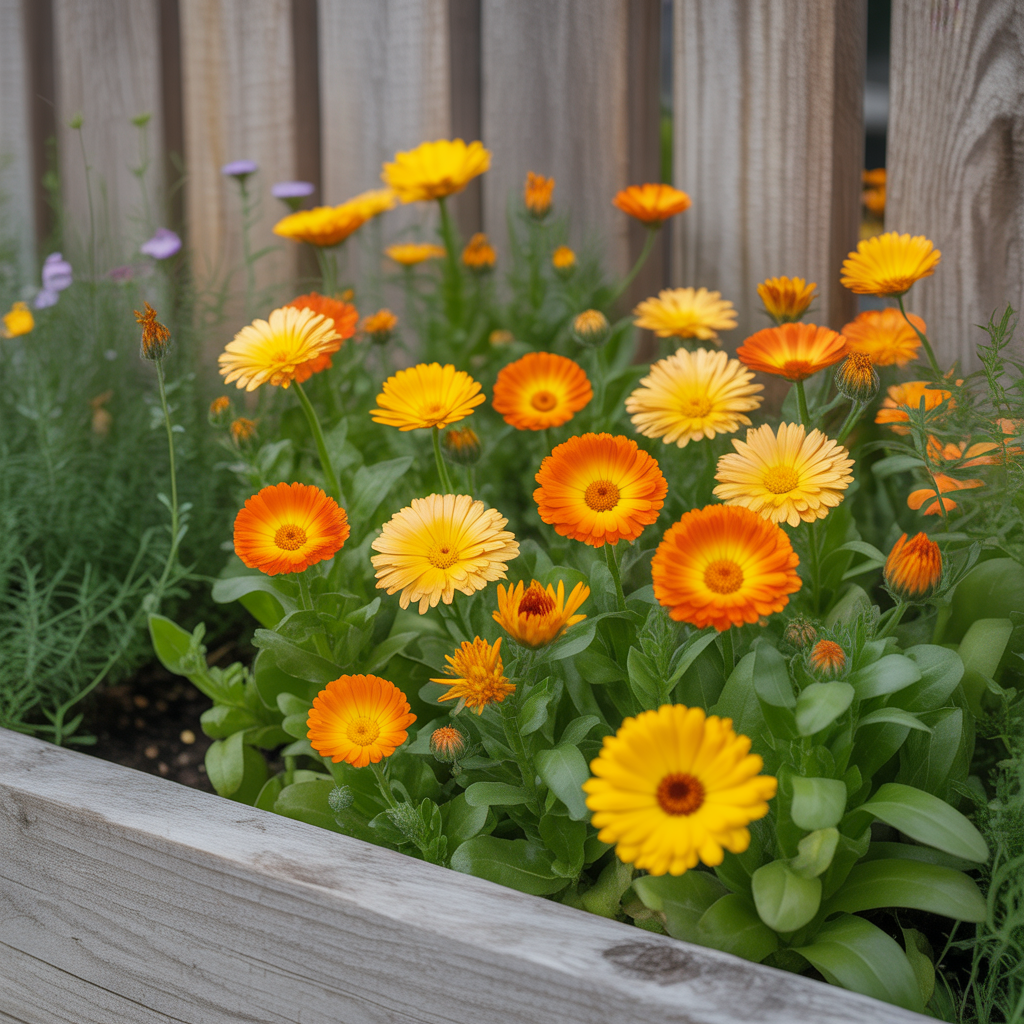
Calendula is a fast-growing, cool-season flower that produces bright orange and yellow blooms. These cheerful flowers bloom repeatedly when harvested often, making them ideal for cut and come again gardens. Calendula thrives in moderate temperatures and can reseed itself easily, providing blooms year after year. The more flowers you cut, the more the plant continues to produce fresh buds.
Plant calendula in cottage-style clusters for a charming and relaxed look. They are also known for their medicinal and herbal uses, adding extra value to your garden. Regular harvesting prevents seed formation and extends blooming time. Their sunny color instantly brightens flower beds and makes beautiful, cheerful bouquets.
11. 🌻 Branching Sunflowers
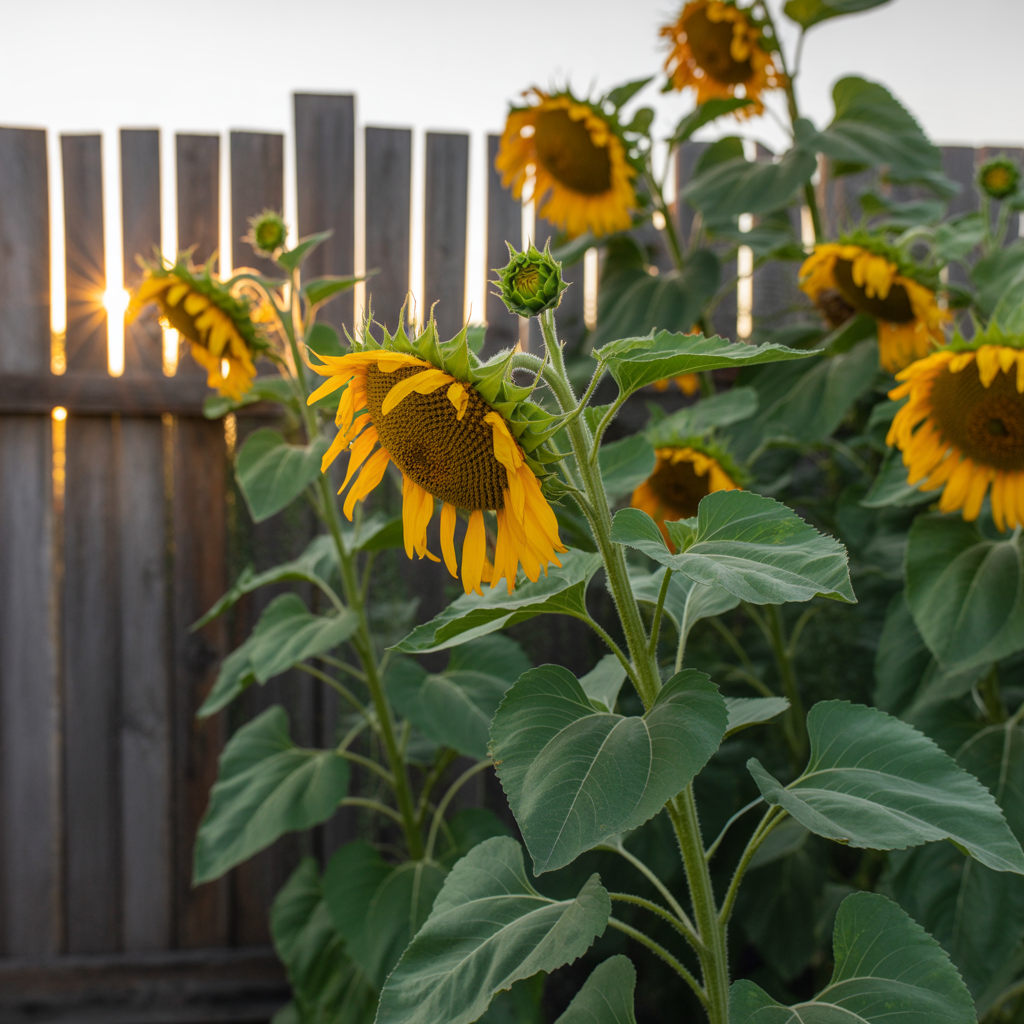
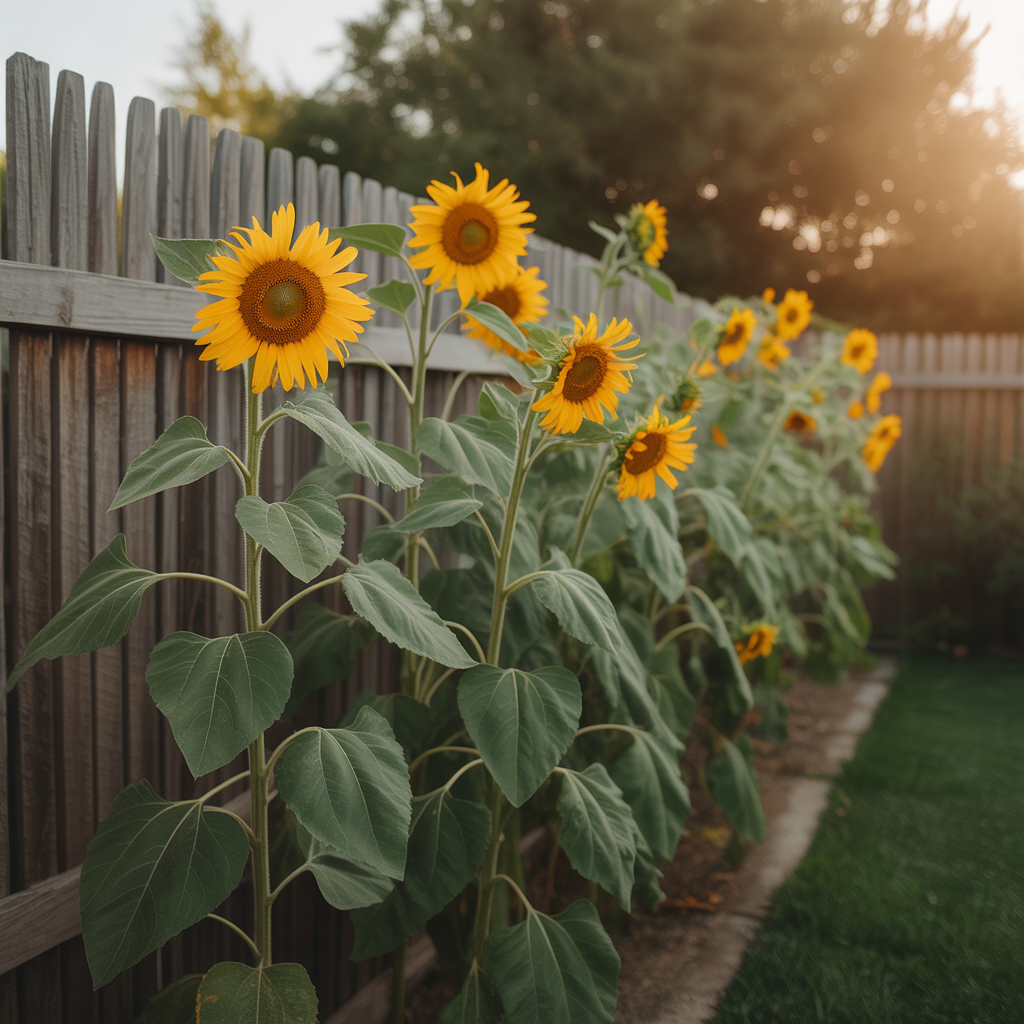
Branching sunflowers differ from single-stem varieties because they produce multiple blooms per plant. When you harvest one flower, side shoots continue developing new buds. These sun-loving plants add dramatic height and warmth to any cutting garden. Their golden petals and bold centers create striking focal points in both landscapes and bouquets.
Plant them along fences or at the back of flower beds for structure. Regular cutting extends the blooming period and encourages fuller growth. Branching sunflowers are easy to grow and thrive in direct sunlight. Their long, sturdy stems make them excellent for large arrangements and statement vases.
12. 🌸 Snapdragons for Vertical Drama
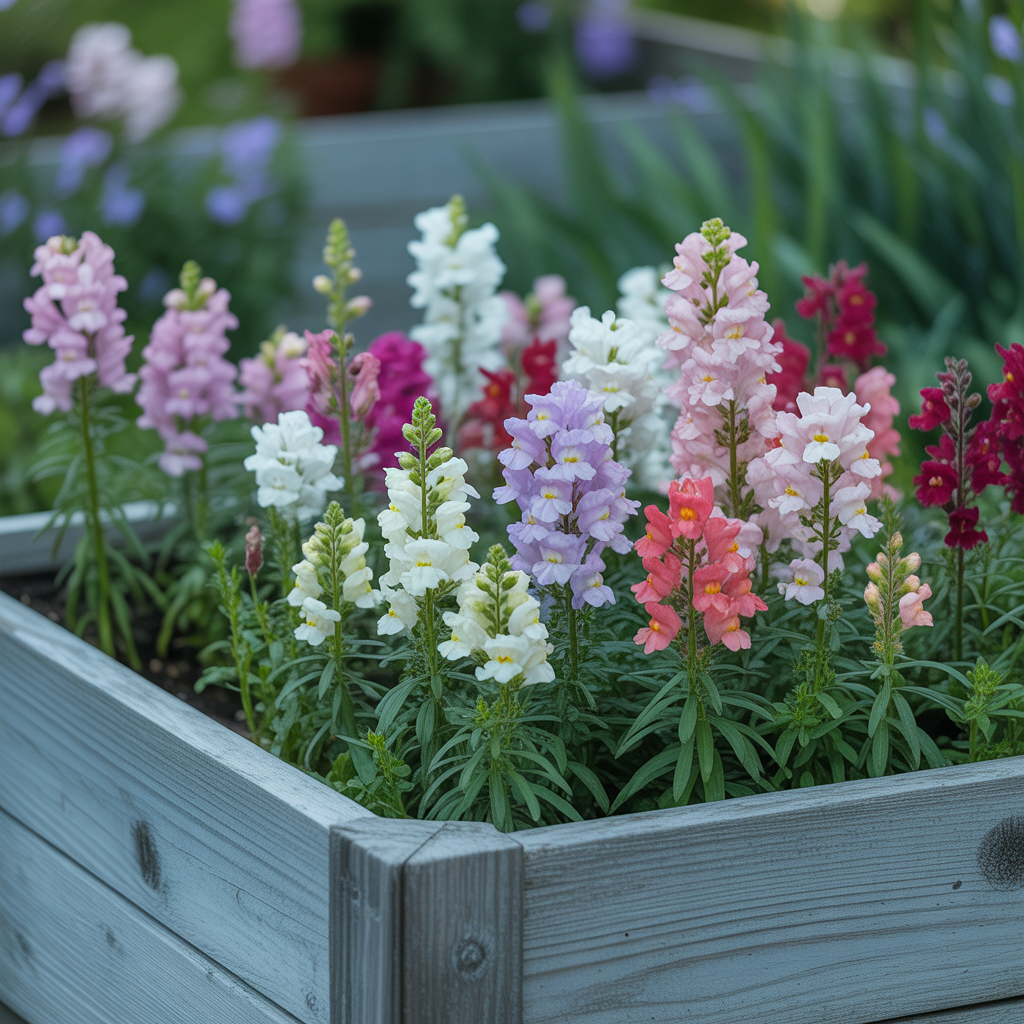
Snapdragons are cool-season flowers that bloom beautifully when harvested properly. Cutting stems above leaf nodes encourages side shoots and fresh blooms. Their tall, colorful spikes add vertical elegance to both gardens and bouquets. Available in pastel and vibrant tones, snapdragons create a romantic and layered garden look.
Plant them densely for a lush display. They prefer cooler weather and consistent moisture. Regular harvesting keeps plants productive for weeks. Their unique flower shape and long stems make them popular in floral arrangements.
13. 🌺 Dahlias for Luxury Blooms
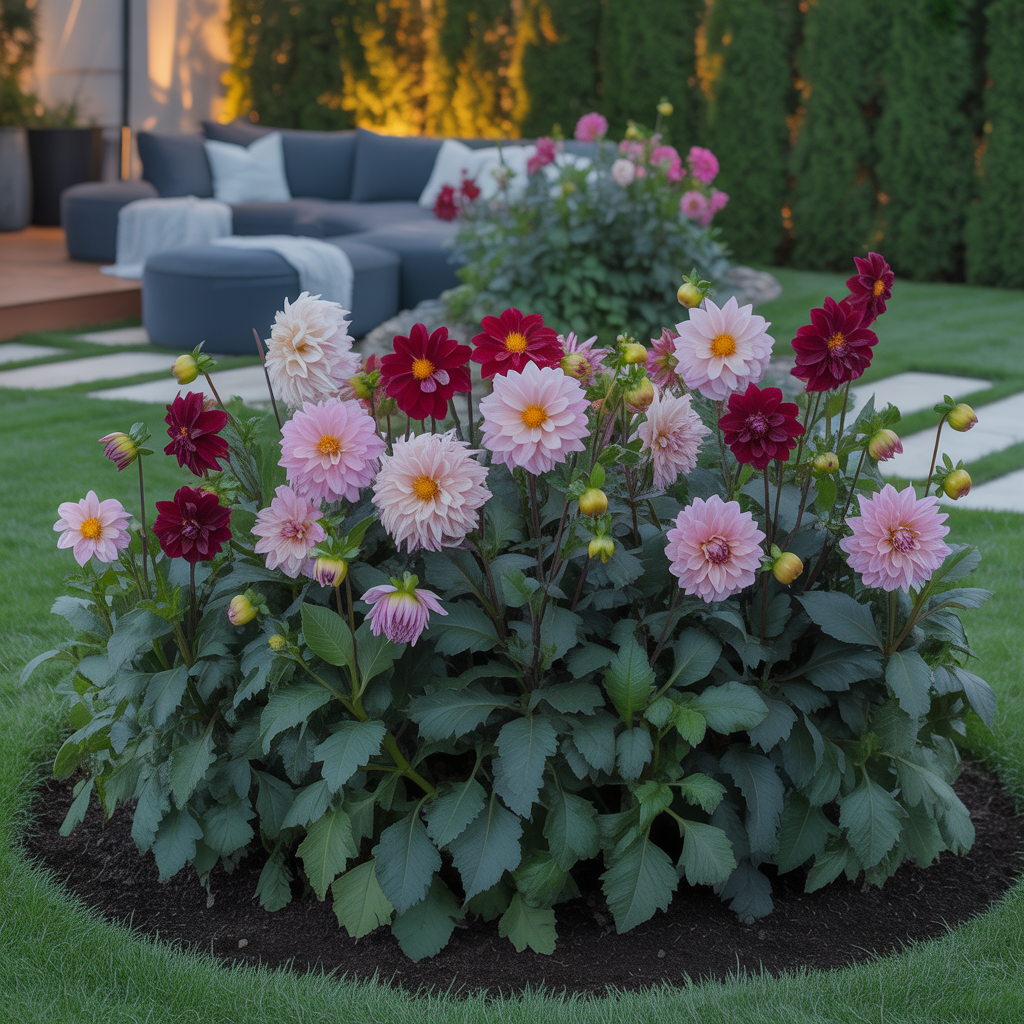
Dahlias are a standout choice for continuous cutting. The more you harvest, the more blooms they produce throughout summer and early fall. Their intricate petals and bold colors create luxurious bouquets. Dahlias thrive in sunny spots with rich soil and benefit from regular feeding.
Staking taller varieties keeps stems straight and strong. Regular harvesting prevents seed formation and stimulates further flowering. From pom-pom types to large dinner-plate blooms, dahlias bring elegance and abundance to any cutting garden.
14. 🌼 Shasta Daisies
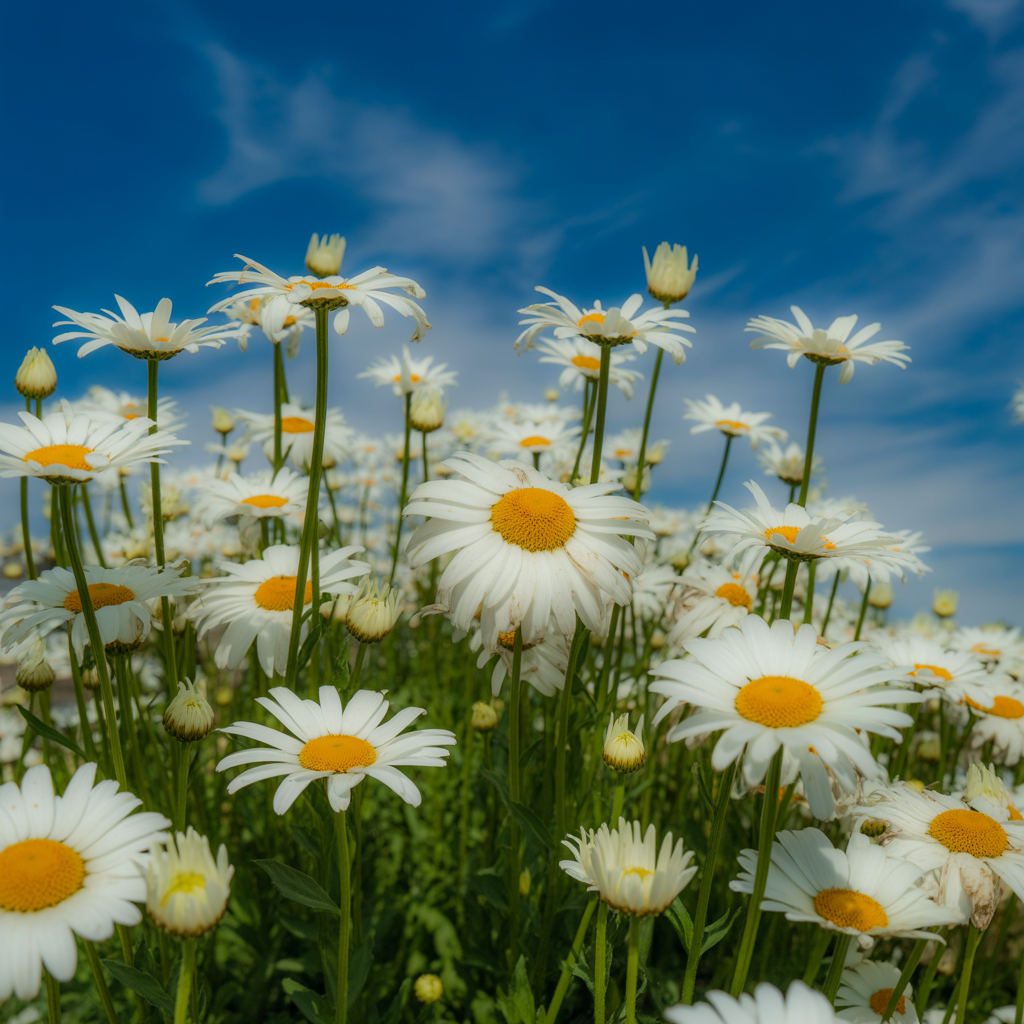
Shasta daisies are timeless perennials that bring a fresh, clean look to any cut and come again flower garden. Their crisp white petals surrounding bright yellow centers create a cheerful and classic summer vibe. When harvested regularly, Shasta daisies continue producing new buds, extending their blooming period well into the warm season. They thrive in full sun and well-drained soil, making them low maintenance and beginner-friendly. Because they are hardy and resilient, they return year after year, giving you consistent beauty without replanting.
Plant Shasta daisies in clusters to create a bold visual impact in your garden beds. Regular cutting not only keeps plants tidy but also encourages more blooms to develop. Their long, sturdy stems make them perfect for bouquets, especially when paired with colorful companion flowers. These daisies are ideal for anyone who loves simple, elegant arrangements that feel light, airy, and effortlessly beautiful.
15. 🌸 Scabiosa for Soft, Romantic Texture
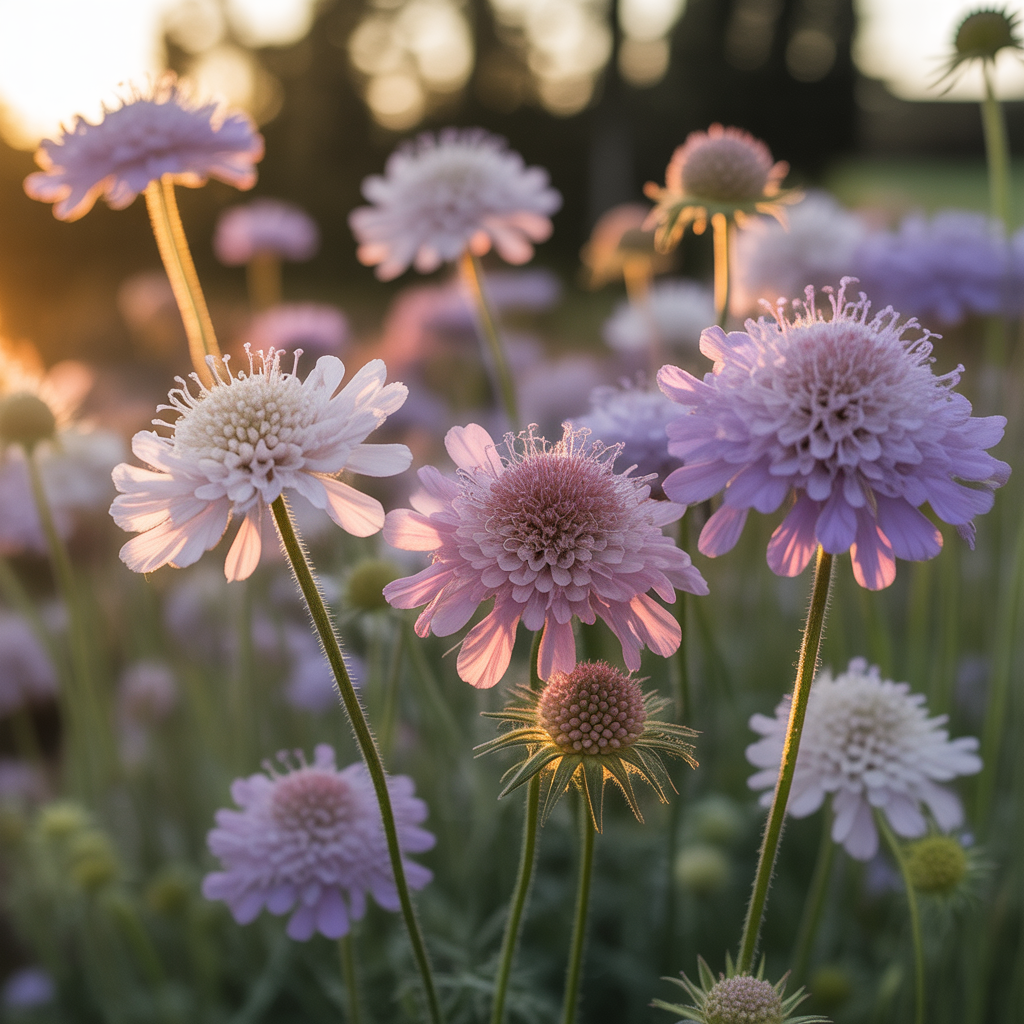
Scabiosa, often called pincushion flower, adds delicate texture and charm to any cutting garden. These blooms respond beautifully to frequent harvesting, producing new flowers throughout the season. Their soft purple, pink, blue, and white shades create a romantic and dreamy aesthetic perfect for cottage-style gardens. Scabiosa thrives in full sun with well-drained soil and doesn’t require heavy feeding, making it an easy addition for both beginners and experienced gardeners.
Regular cutting prevents the plant from setting seed too early and keeps it blooming longer. The unique pincushion-like centers add visual interest and contrast in floral arrangements. Scabiosa works beautifully as a filler flower, softening bold blooms like dahlias or sunflowers. Because of their airy stems and gentle colors, they bring elegance and lightness to bouquets, making them a Pinterest favorite for soft floral styling.
16. 🌺 Celosia for Bold Summer Drama
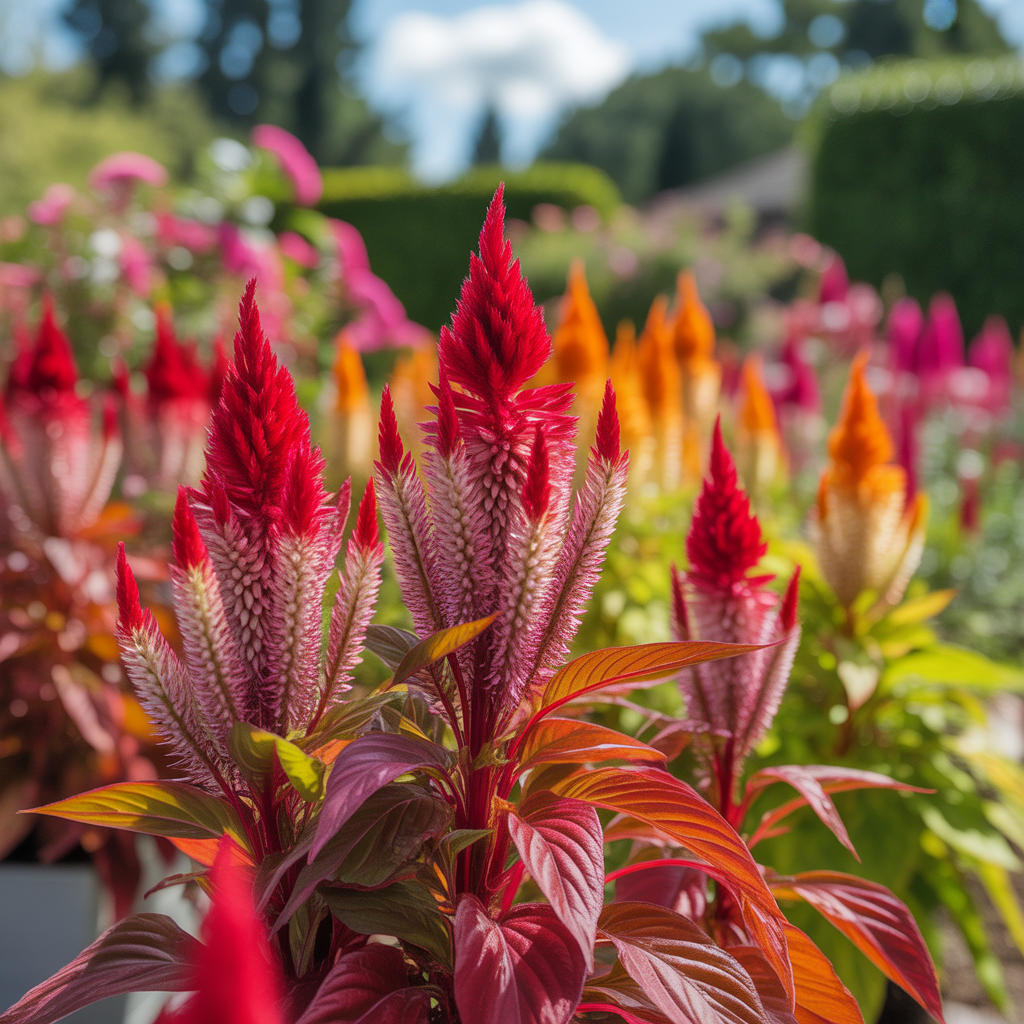
Celosia is a vibrant and eye-catching flower that thrives in heat and full sun. Known for its feathery plumes or crested, brain-like blooms, celosia adds dramatic texture to any cut and come again garden. When cut regularly, the plant branches out and produces additional blooms, extending its flowering season. Its bold shades of red, orange, magenta, and yellow instantly energize garden beds and bouquet arrangements.
Plant celosia in rows or mixed beds for a striking visual effect. These flowers prefer warm temperatures and well-drained soil, making them perfect for summer gardens. Frequent harvesting encourages bushier growth and prevents early fading. Celosia also dries beautifully, allowing you to create long-lasting dried arrangements. If you want color, texture, and bold personality in your cutting garden, celosia is an excellent choice.
17. 🌷 Larkspur for Cottage Garden Layers
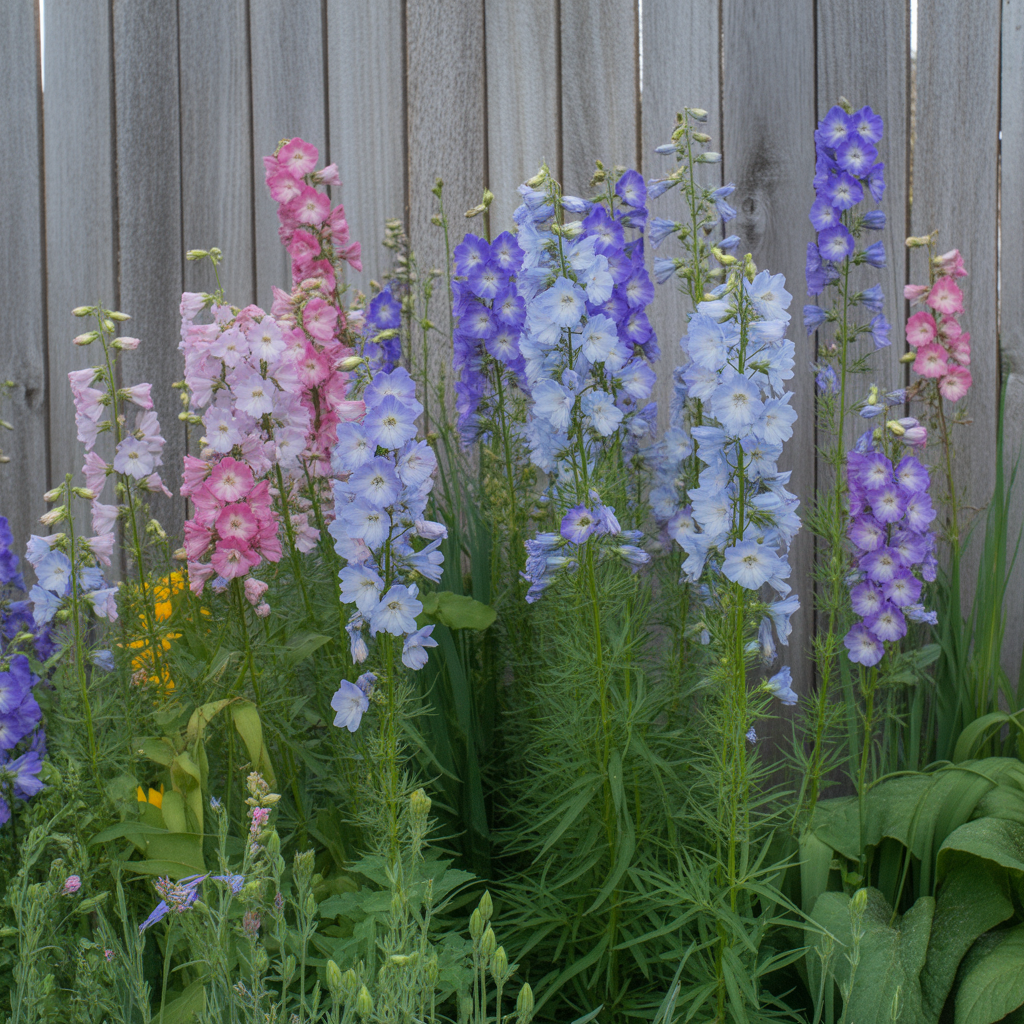
Larkspur is a cool-season annual that produces tall, elegant spikes covered in delicate blossoms. When cut frequently, larkspur continues producing side stems and additional blooms. Its soft blue, lavender, pink, and white shades create a romantic cottage garden feel. These flowers thrive in cooler temperatures and well-drained soil, making them perfect for early summer displays.
Plant larkspur densely to create a lush layered look in your garden beds. Regular harvesting helps extend the blooming period and keeps plants tidy. Their tall stems make them ideal for adding height and movement to floral arrangements. Larkspur pairs beautifully with roses, snapdragons, and daisies, creating balanced and visually interesting bouquets. This flower is perfect for anyone who loves vintage-inspired, whimsical garden aesthetics.
18. 🌼 Gaillardia for Heat-Loving Blooms
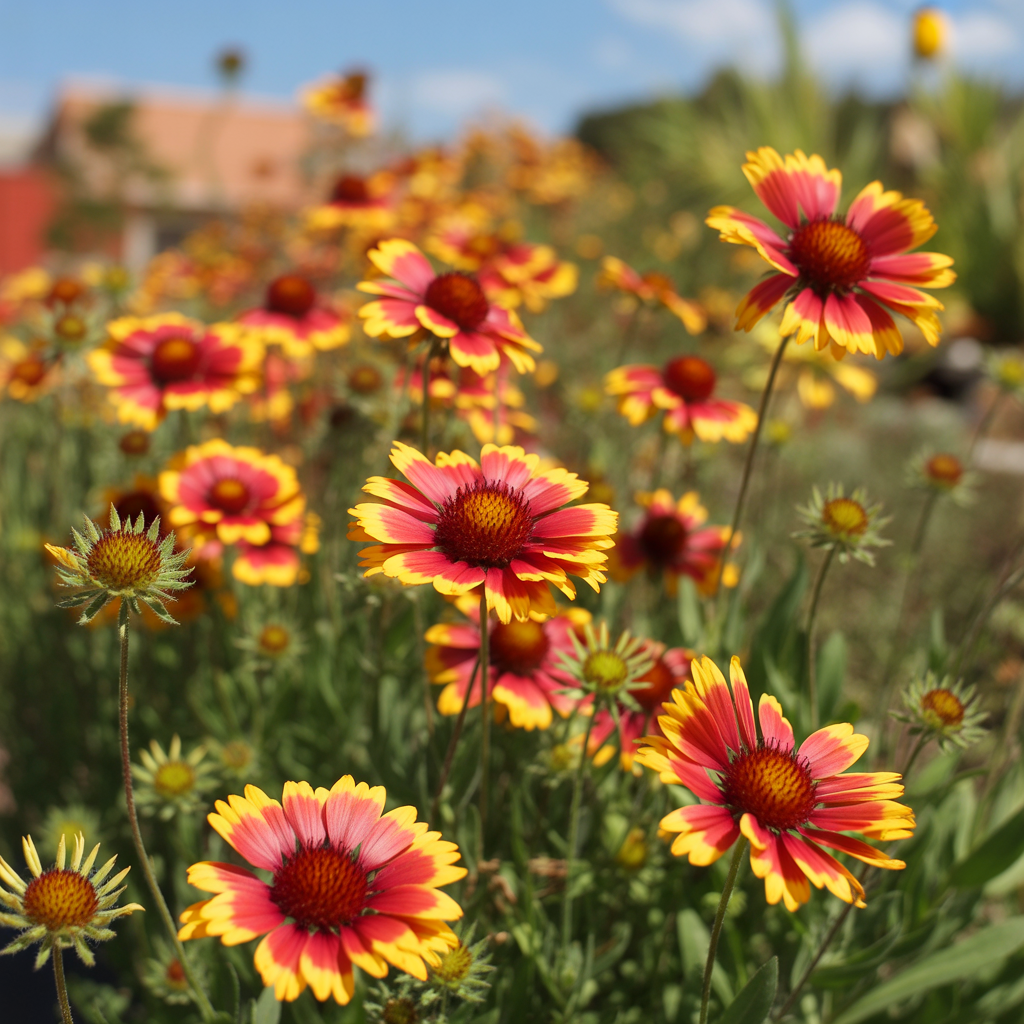
Gaillardia, also known as blanket flower, is a hardy, sun-loving perennial that blooms repeatedly with regular cutting. Its fiery red, orange, and yellow petals create a warm and energetic garden display. Gaillardia thrives in hot, dry conditions and poor soil, making it ideal for low-maintenance gardeners. When harvested often, the plant continues producing vibrant blooms throughout the summer.
Plant gaillardia in sunny borders or mixed beds for maximum color impact. Deadheading and regular cutting encourage fresh buds and prevent early seed formation. These flowers are excellent for adding bold contrast to softer blooms in bouquets. Their long flowering season and drought tolerance make them practical as well as beautiful. Gaillardia is perfect for creating a bright, sun-drenched garden aesthetic.
19. 🌸 Verbena for Airy, Continuous Blooms
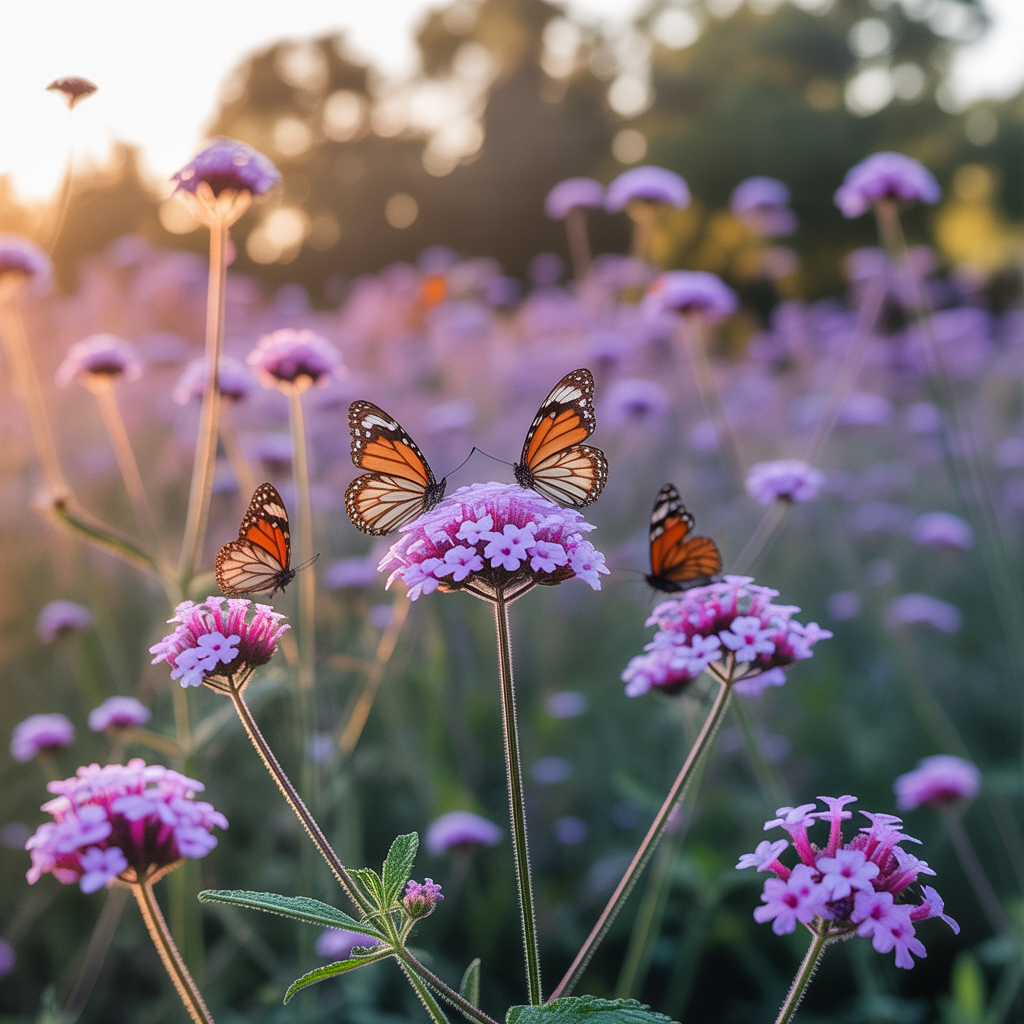
Verbena produces clusters of small, delicate flowers that bloom continuously when cut regularly. These airy blooms are perfect for softening garden borders and adding texture to arrangements. Verbena thrives in full sun and well-drained soil, and it tolerates heat well. Frequent harvesting encourages bushier growth and prolongs the flowering period.
Plant verbena in groups to create a flowing carpet of purple, pink, or white blooms. Their light and delicate structure makes them excellent filler flowers in bouquets. They also attract butterflies and pollinators, adding life and movement to your garden. With consistent trimming and watering, verbena will keep producing flowers for months, making it a reliable addition to any cut and come again garden.
20. 🌺 Mixed Raised Bed Cutting Garden
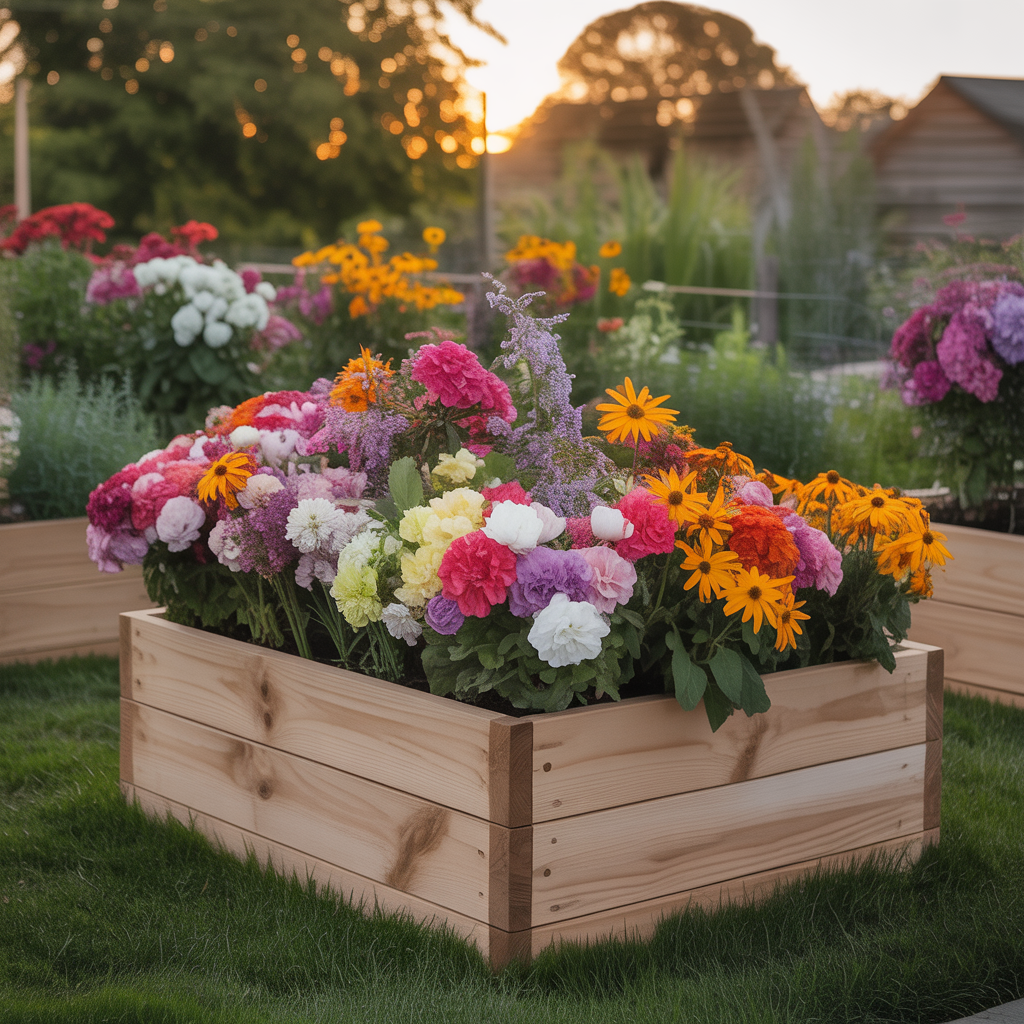
A mixed raised bed filled with cut and come again flowers is one of the most productive and visually stunning garden ideas. Combining varieties like zinnias, snapdragons, celosia, cosmos, and daisies ensures continuous blooms throughout the season. When you harvest regularly, each plant responds by producing fresh flowers, keeping the entire bed vibrant and full. Raised beds also improve drainage and make maintenance easier.
Design your bed thoughtfully by placing taller flowers at the back and shorter varieties toward the front. Regular watering, feeding, and harvesting will keep your garden thriving. Mixing colors and textures creates a layered, Pinterest-worthy look that feels abundant and intentional. A mixed cutting bed gives you endless bouquet options while maximizing space and productivity in your garden.
🌼 Step-by-Step: How to Start a Cut and Come Again Flower Garden
Step 1: Choose the Right Location
Select a sunny area that receives at least 6–8 hours of direct sunlight daily. Most cut flowers thrive in full sun and well-drained soil.
Step 2: Prepare the Soil
Loosen the soil and mix in compost or organic matter to improve drainage and fertility. Healthy soil leads to stronger stems and more blooms.
Step 3: Select Productive Flower Varieties
Choose flowers known for repeat blooming such as zinnias, cosmos, snapdragons, celosia, and dahlias. Mixing heights and colors creates visual depth.
Step 4: Plant in Rows or Clusters
Plant flowers closely in rows for easy harvesting or in clusters for a fuller, decorative look.
Step 5: Water Consistently
Keep the soil evenly moist, especially during hot weather. Deep watering encourages strong root systems.
Step 6: Harvest Regularly
Cut flowers frequently to stimulate new growth. The more you cut, the more blooms you encourage.
Step 7: Maintain and Feed
Remove faded blooms, fertilize occasionally, and check for pests to keep plants healthy and productive.
🌺 Final Thoughts
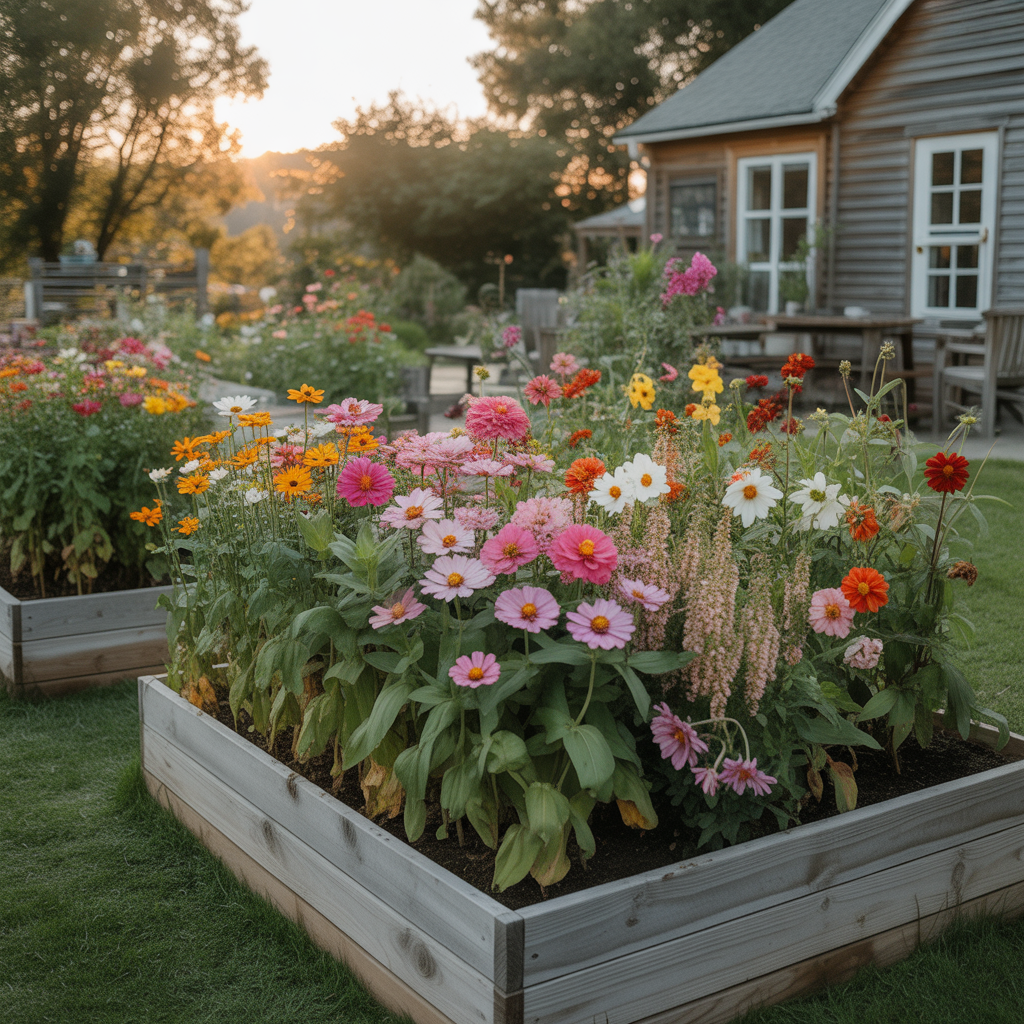
A cut and come again garden is the perfect blend of beauty and practicality. It transforms your outdoor space into a living bouquet that keeps renewing itself. With thoughtful planning and consistent care, you can enjoy endless fresh flowers for decorating your home, gifting to friends, or simply brightening your day. This gardening style is budget-friendly, beginner-friendly, and incredibly satisfying. Once you start harvesting and see new buds forming, you’ll truly understand the magic of a garden that keeps giving.
🌸 Conclusion: Create a Garden That Keeps Giving
A cut and come again flower garden is more than just a beautiful outdoor space — it’s a sustainable, rewarding way to enjoy fresh blooms all season long. By choosing flowers that respond positively to regular harvesting, you create a cycle of continuous growth, color, and abundance. Instead of watching your garden fade after one bloom, you encourage it to flourish even more with every cut. This method not only saves money but also fills your home with fresh, handpicked bouquets that feel personal and meaningful.
Whether you prefer a romantic cottage garden filled with soft pastels or a bold summer display bursting with vibrant shades, cut and come again flowers give you flexibility and creativity. The key is consistency — regular harvesting, proper watering, and thoughtful placement. With just a little effort, your garden will reward you with months of blooms, stunning photo-worthy views, and endless floral arrangements. It’s truly one of the most satisfying gardening styles for beginners and experienced gardeners alike.